Pisai Devi Temple | Traditional Hemadpanthi Stone Architecture & Craftsmanship
Project Description
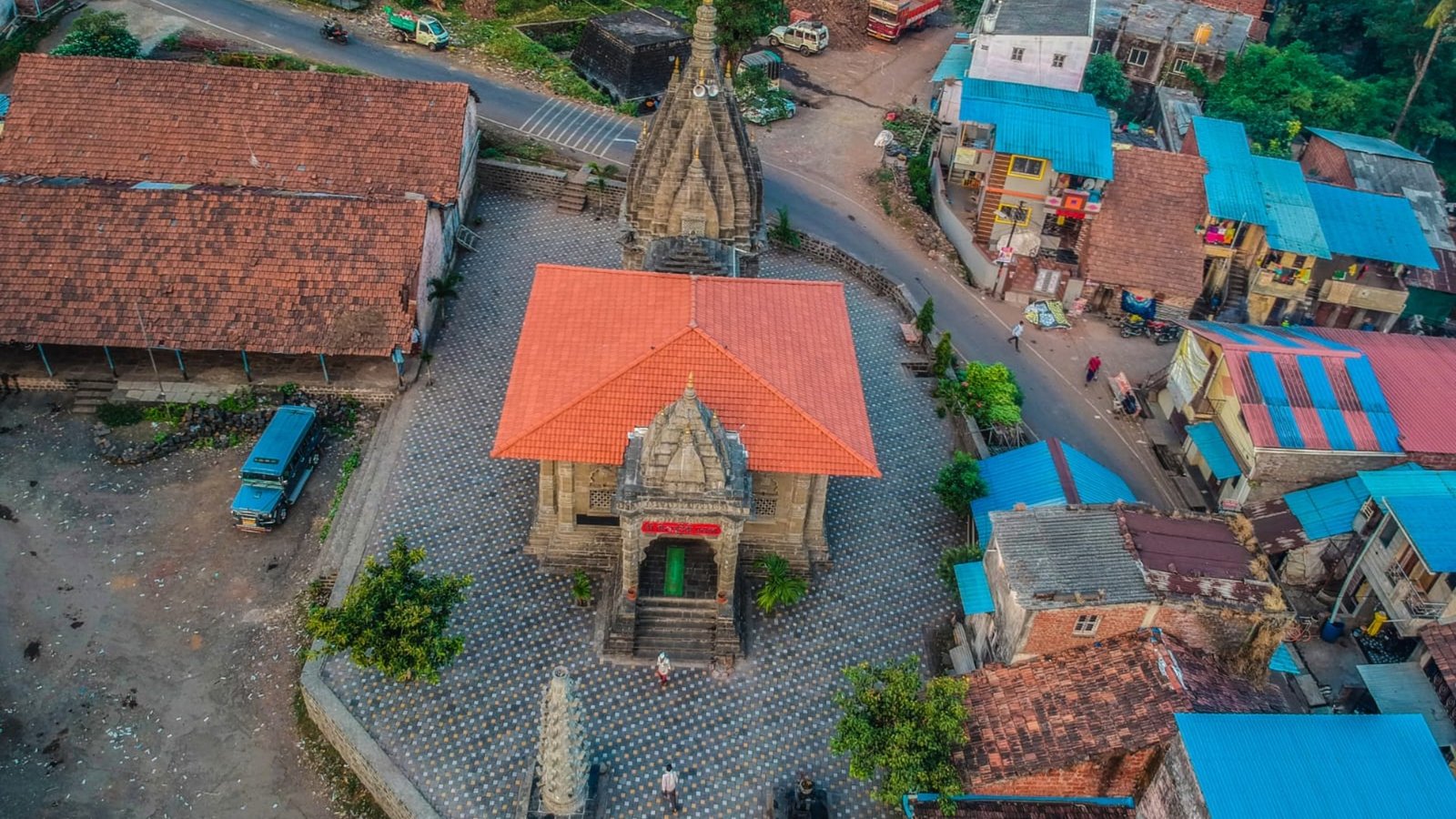
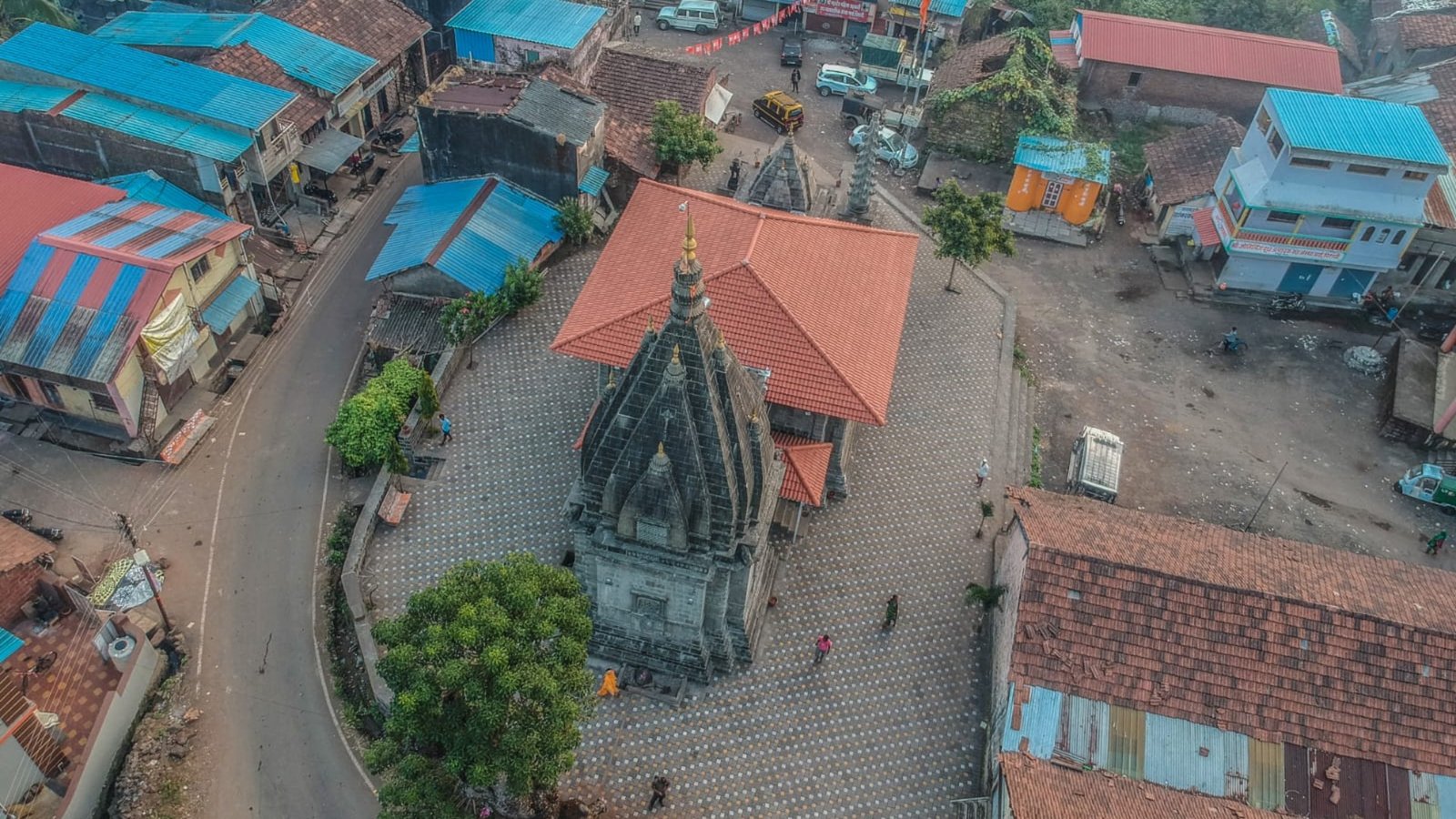
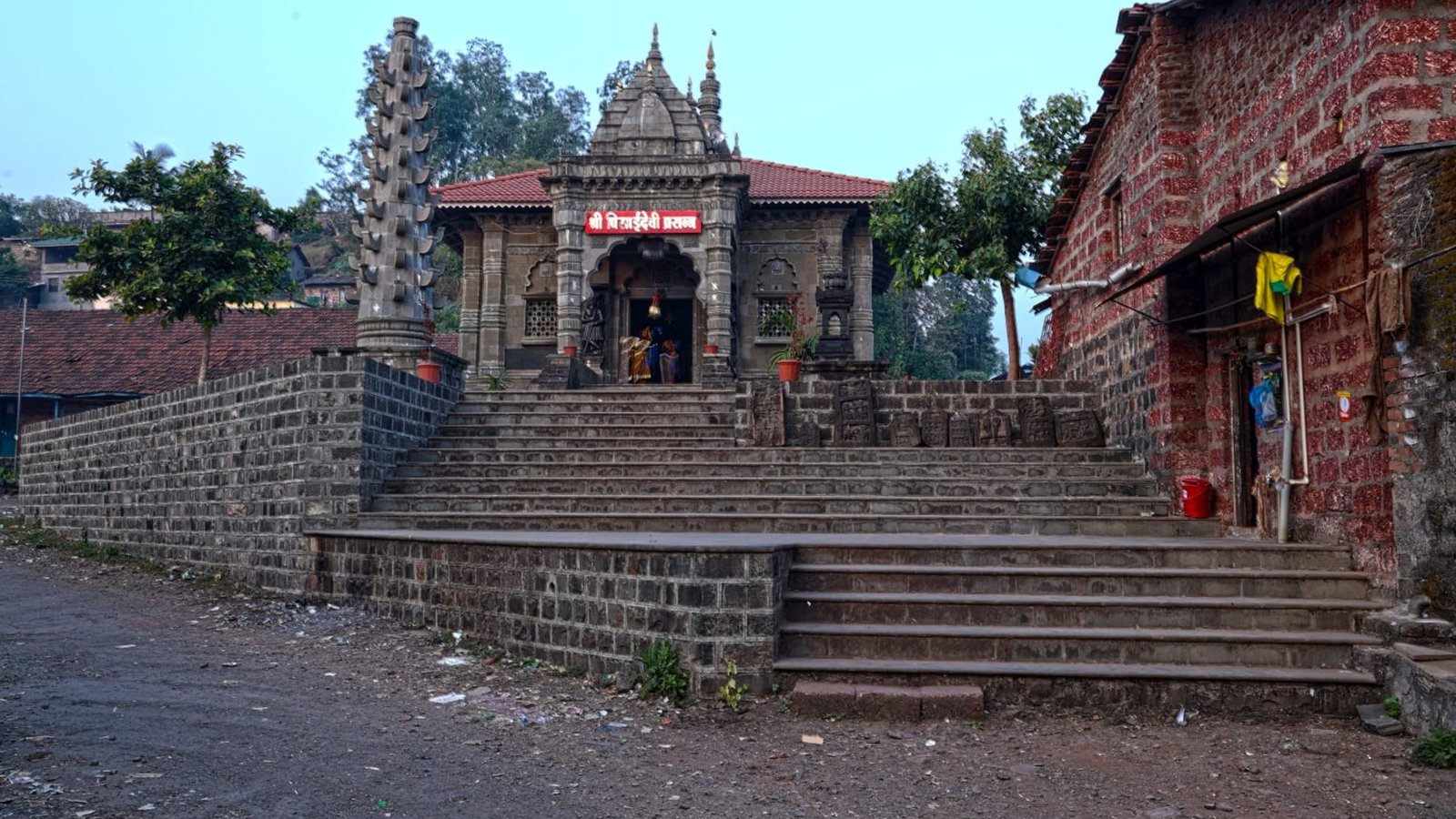
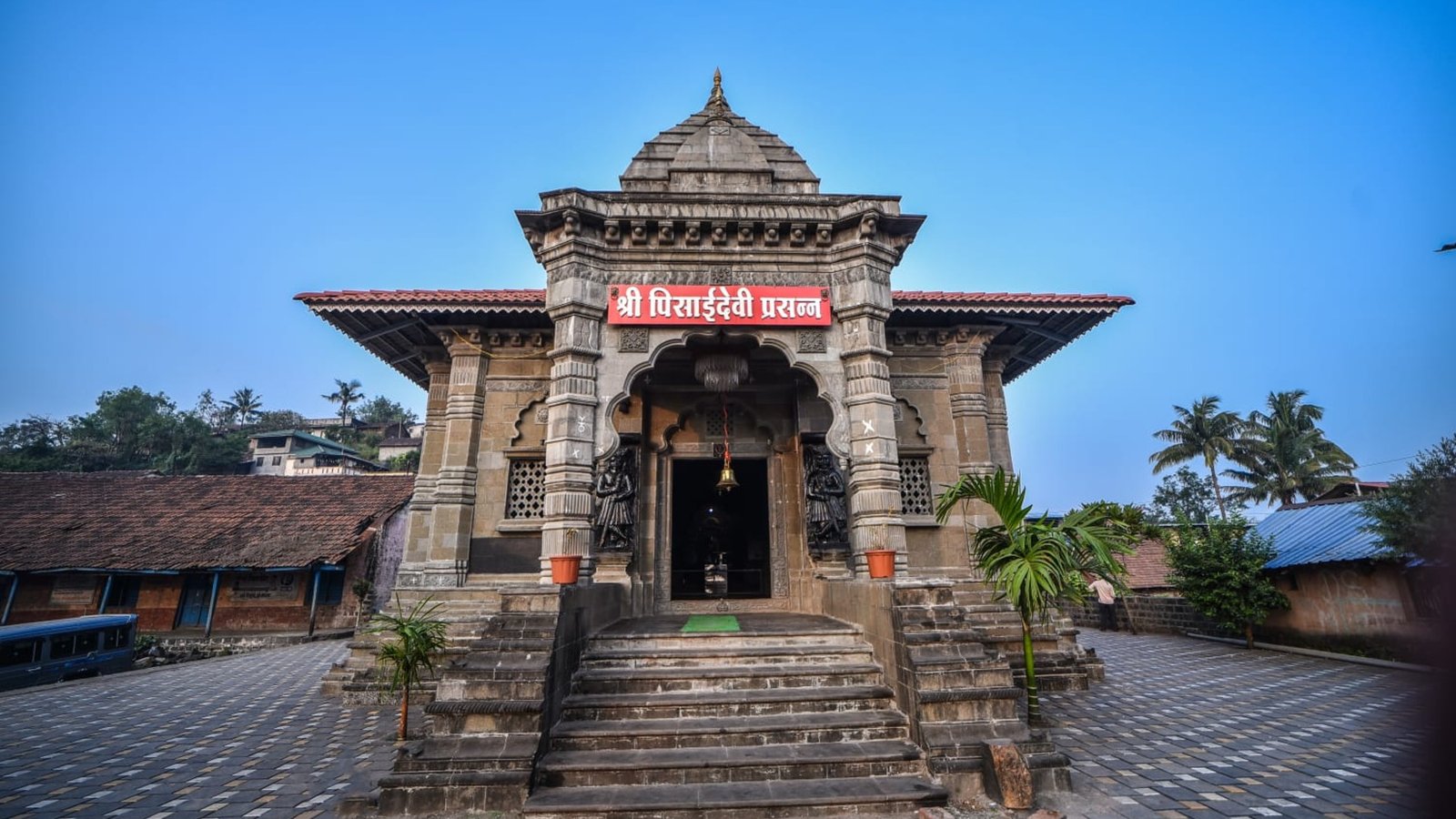
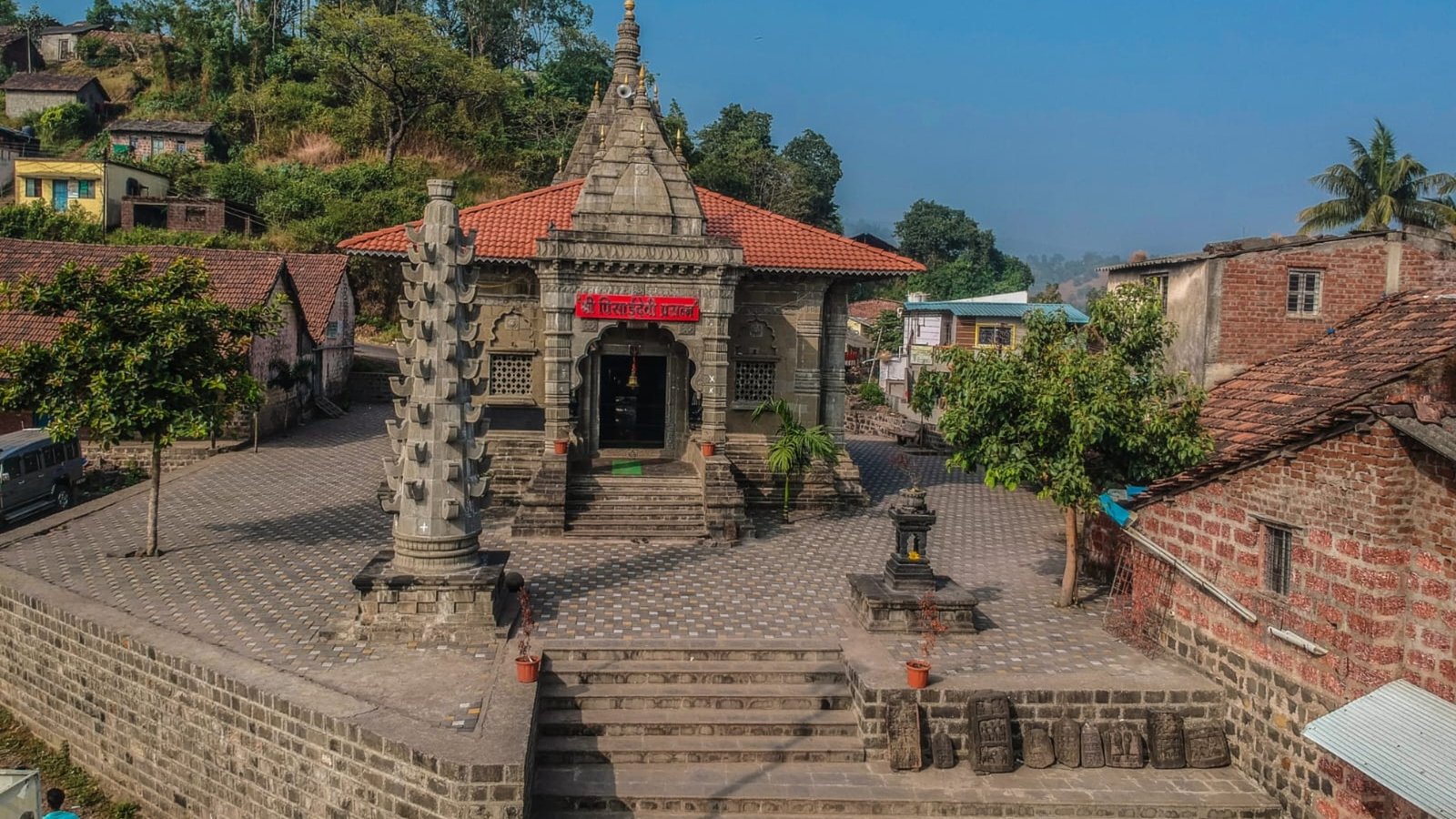
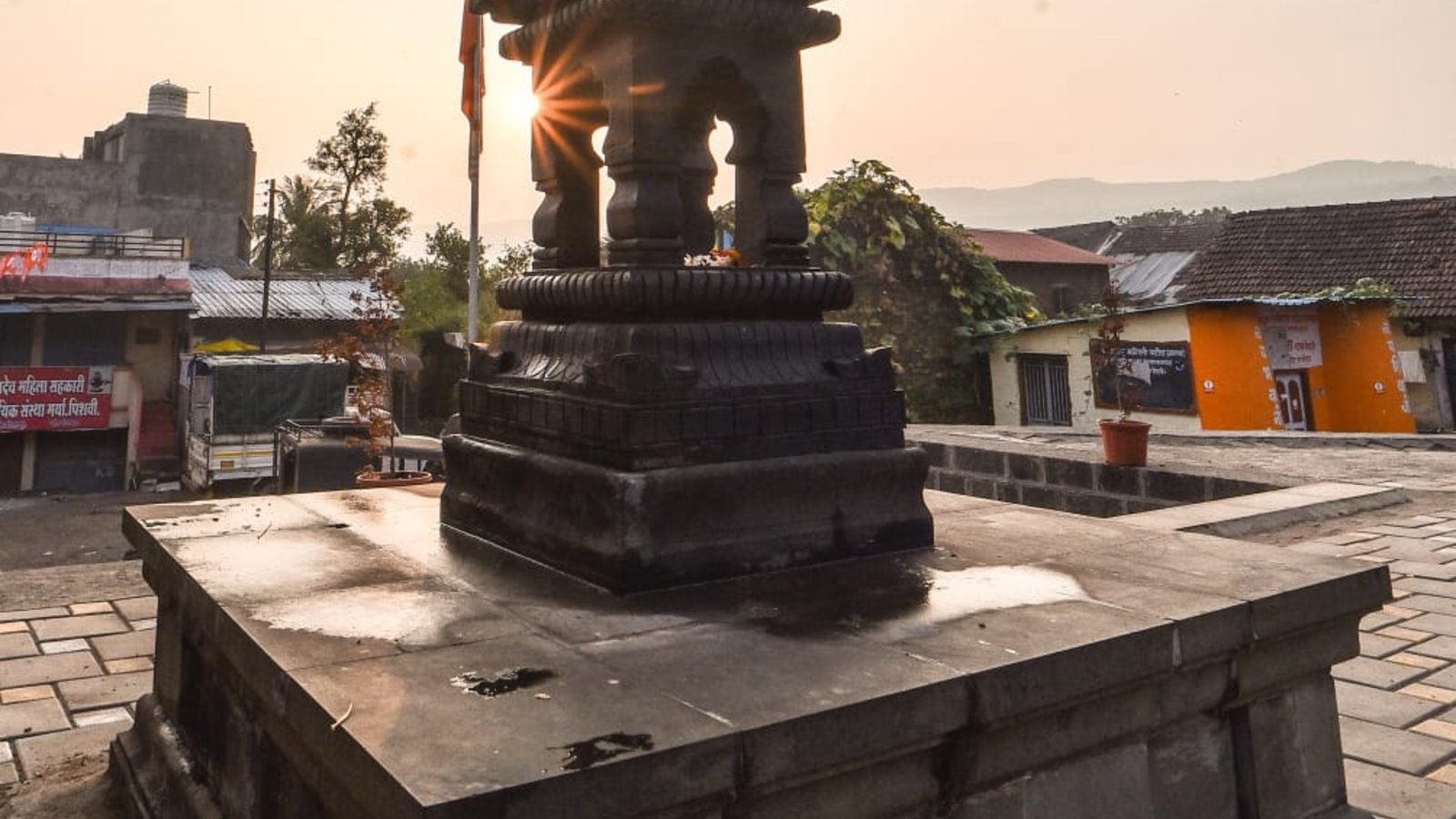
Pisai Devi Temple represents a distinguished achievement in traditional stone architecture and craftsmanship, where material, architectural vision and skilled construction come together to create a structure of enduring character.
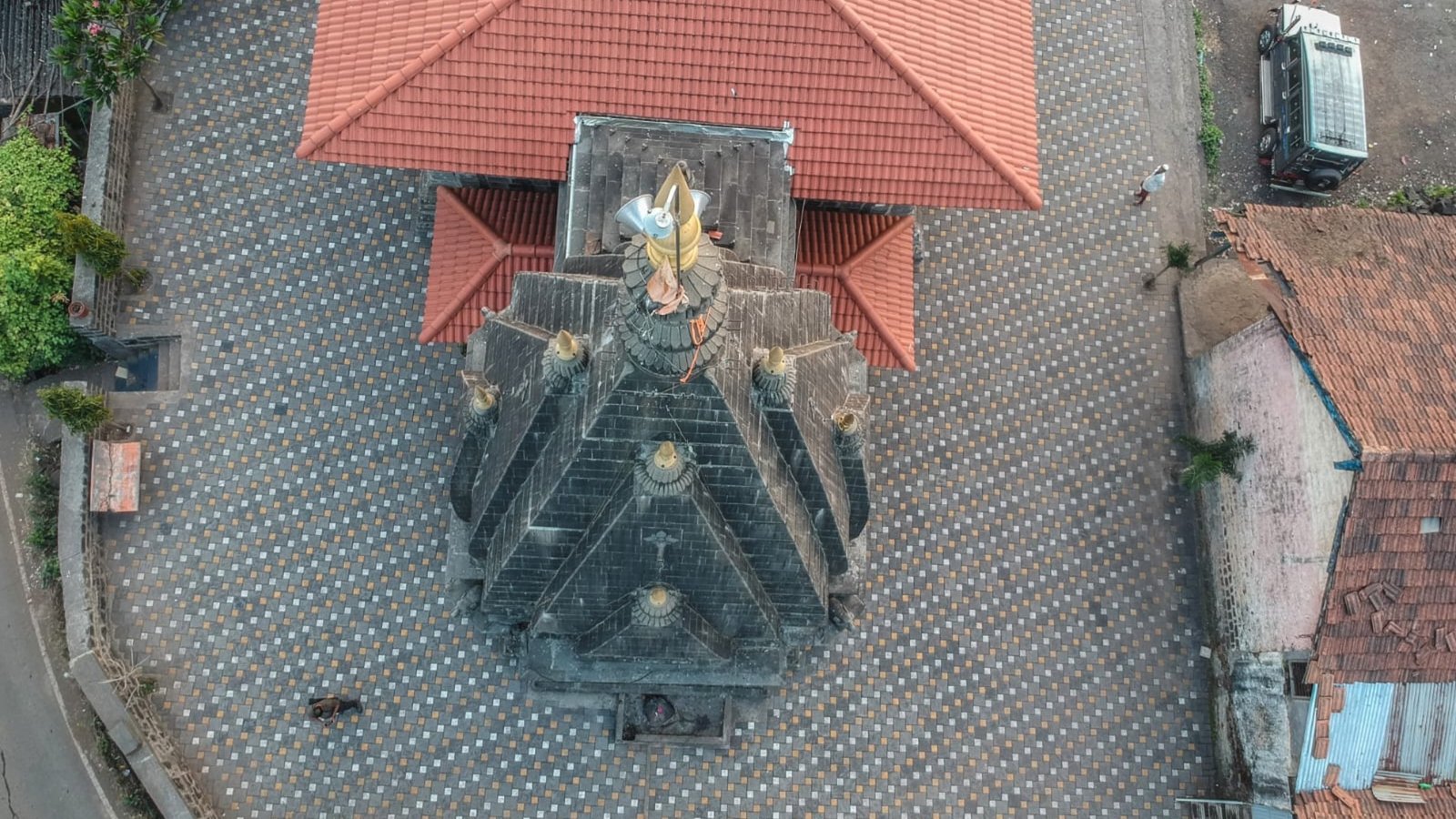
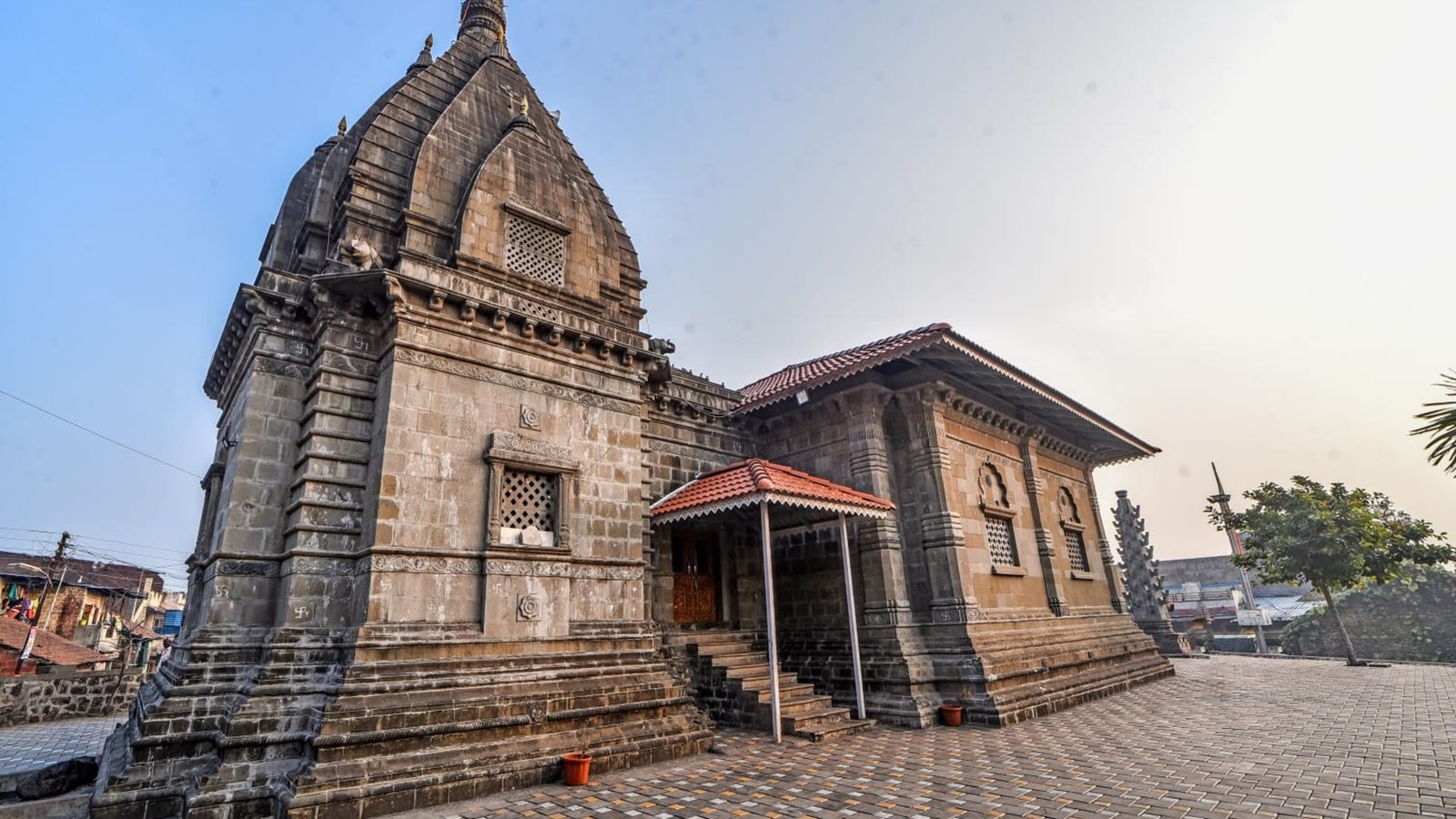
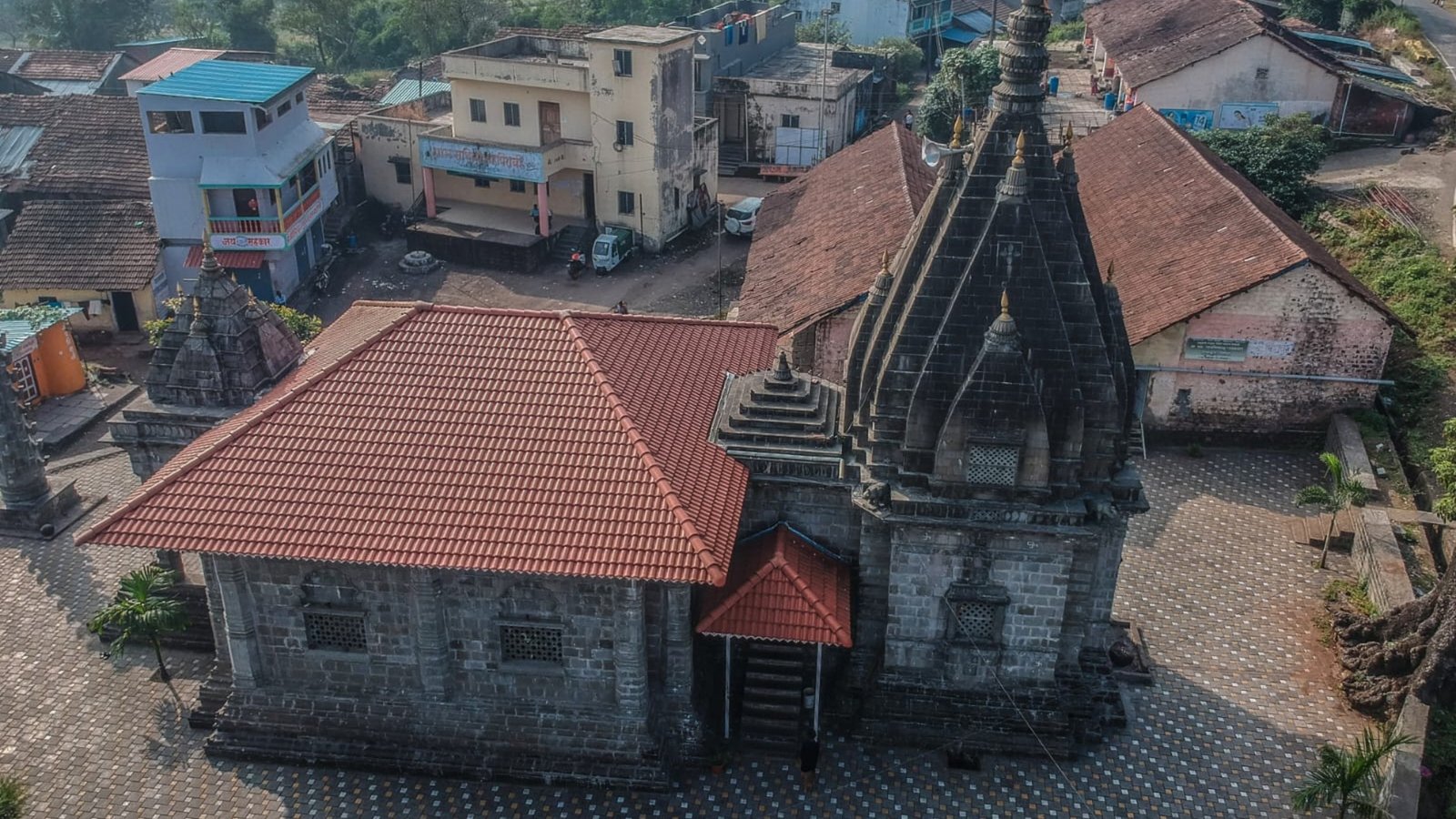
Executed entirely in natural stone, the project demanded exceptional precision and technical expertise at every stage of construction. The inherent characteristics of stone required careful planning, accurate detailing and meticulous execution to maintain both structural integrity and the intended architectural expression.
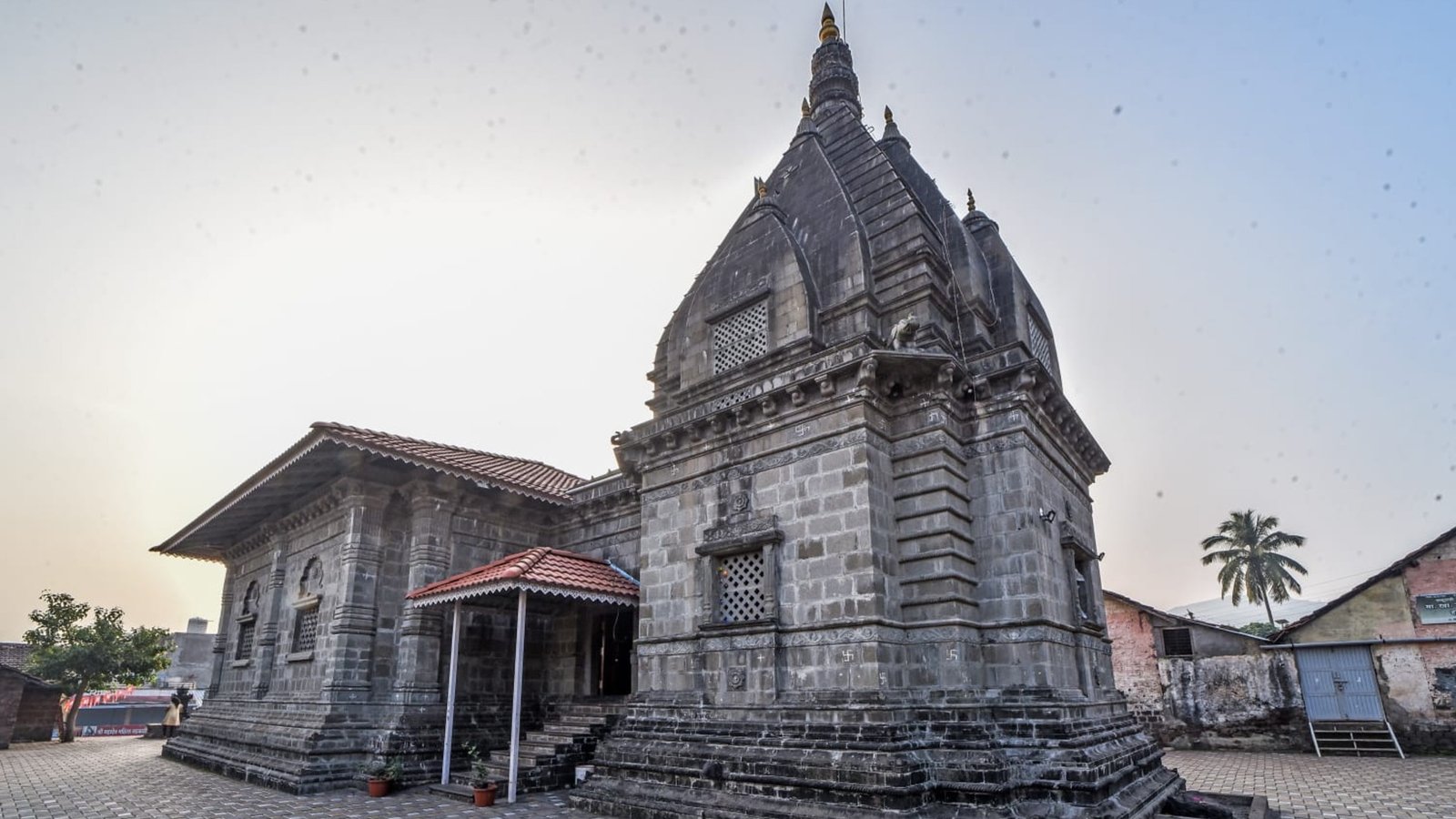
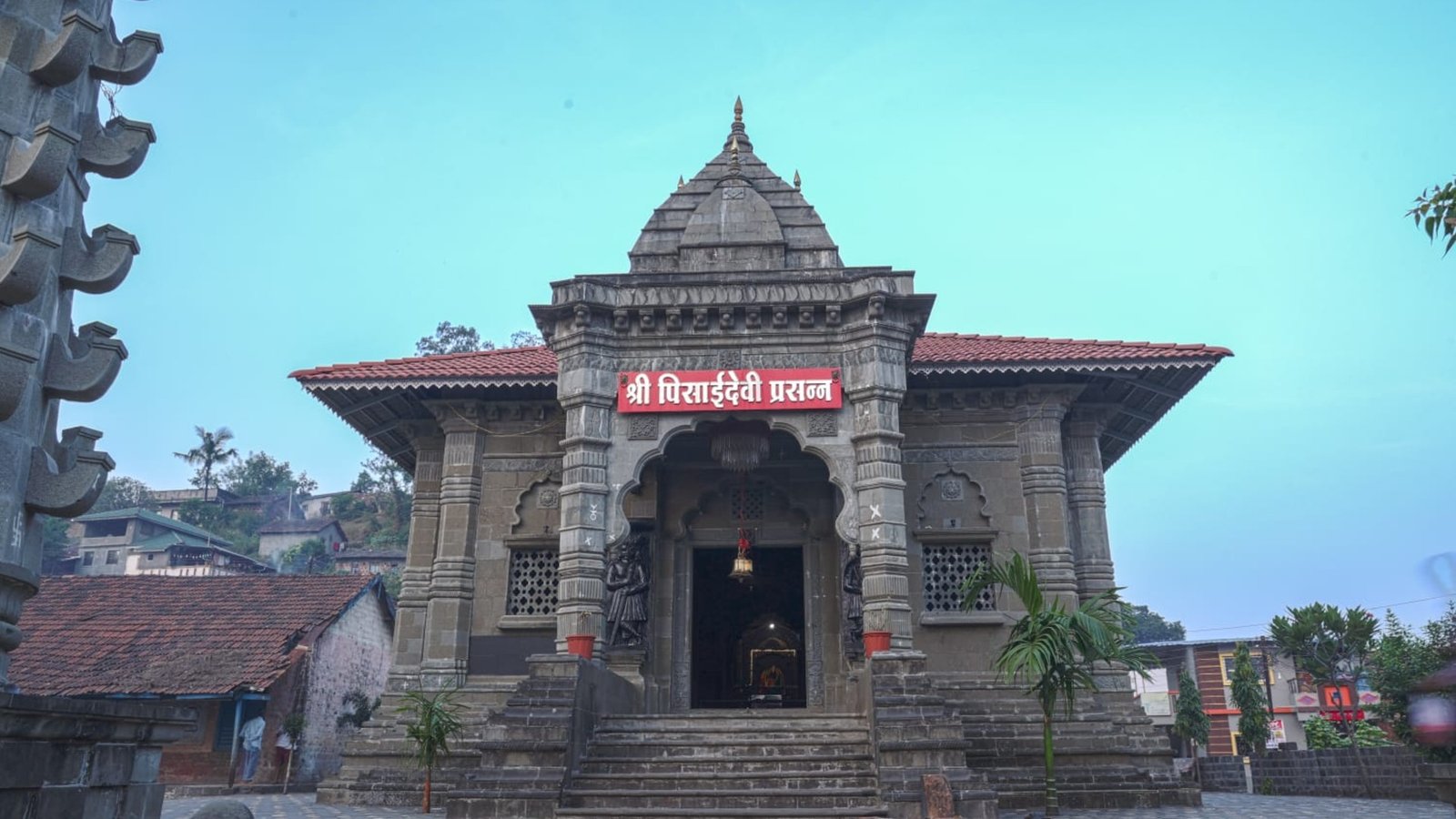
The project follows the Hemadpanthi architectural style, a traditional Indian temple architecture known for its distinctive stone construction, robust forms and emphasis on craftsmanship. The design respects this architectural heritage while translating it through carefully executed stonework and construction techniques.
Architectural Approach
The temple follows the Hemadpanthi style of architecture, with the design centred around natural stone construction and traditional architectural principles.
The use of stone as the primary architectural material gives the temple a strong and timeless presence. Its robust construction and carefully articulated forms reflect the enduring character associated with traditional Hemadpanthi temples.
Material & Craftsmanship
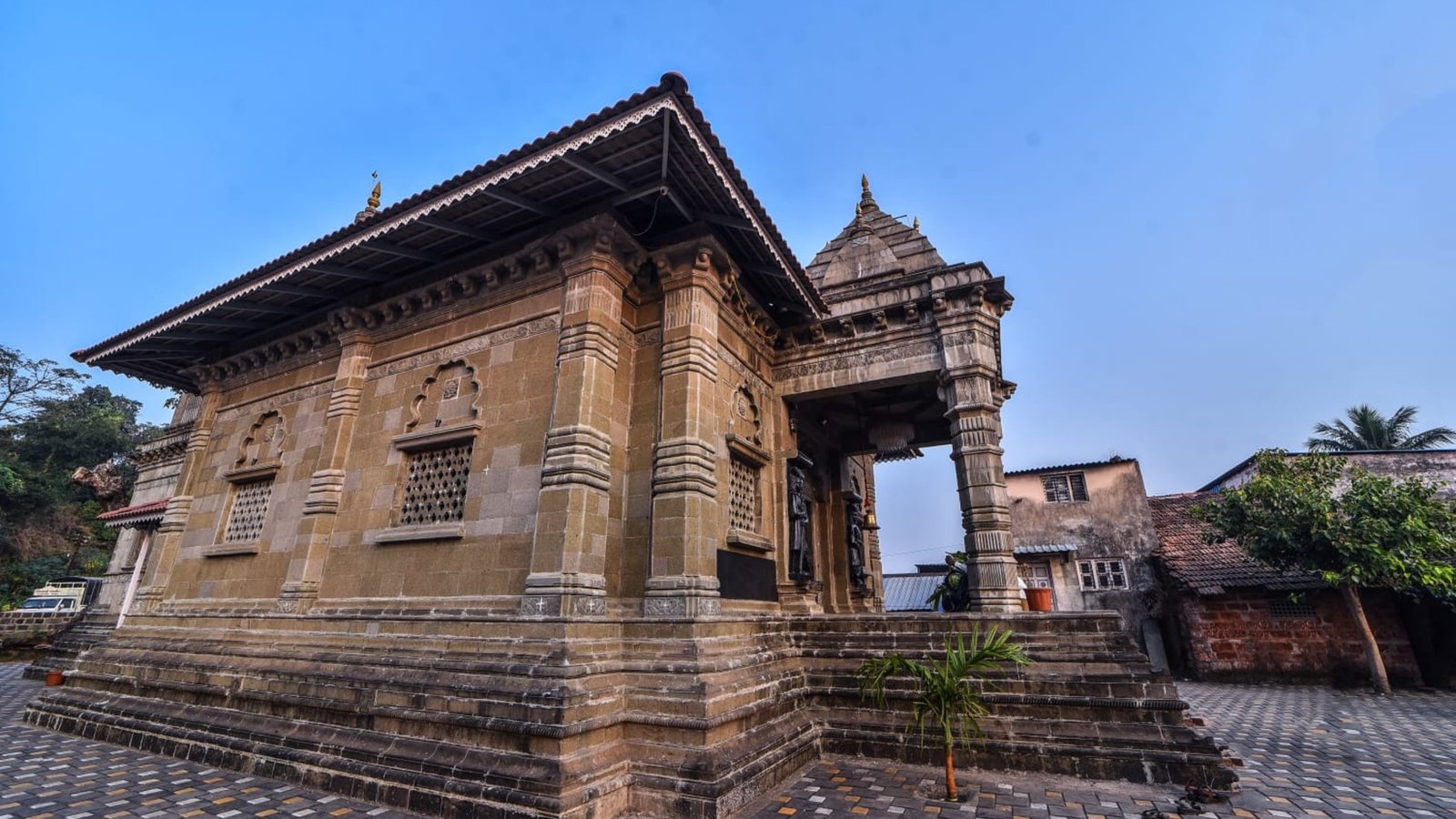
The entire structure is executed in natural stone, making material selection, stone handling and precision workmanship central to the project.
Working with natural stone presented unique technical and construction challenges. Each element required careful coordination and precise execution to achieve the desired geometry while preserving the natural character and integrity of the material.
The craftsmanship reflects a detailed understanding of stone construction, traditional detailing and material behaviour, allowing the architectural vision to be realised without compromising authenticity.
Design Approach
The design approach for Pisai Devi Temple focuses on the relationship between material, craftsmanship and traditional architectural expression.
Rather than introducing unnecessary contemporary elements, the project embraces the inherent strength and beauty of natural stone. Traditional Hemadpanthi principles guide the architectural character, while precise execution ensures durability and structural integrity.
The result is a temple where architecture and craftsmanship become inseparable, creating a structure that feels authentic to its material and rooted in its traditional architectural heritage.
Architectural Character
The completed temple expresses a sense of strength, permanence and timelessness through its natural-stone construction and traditional architectural language.
Every aspect of the project—from material selection to construction detailing—contributes to an architecture that is visually grounded and culturally rooted.
Pisai Devi Temple stands as a testament to the enduring value of traditional craftsmanship, demonstrating how natural materials, technical expertise and architectural vision can come together to create a lasting architectural presence.